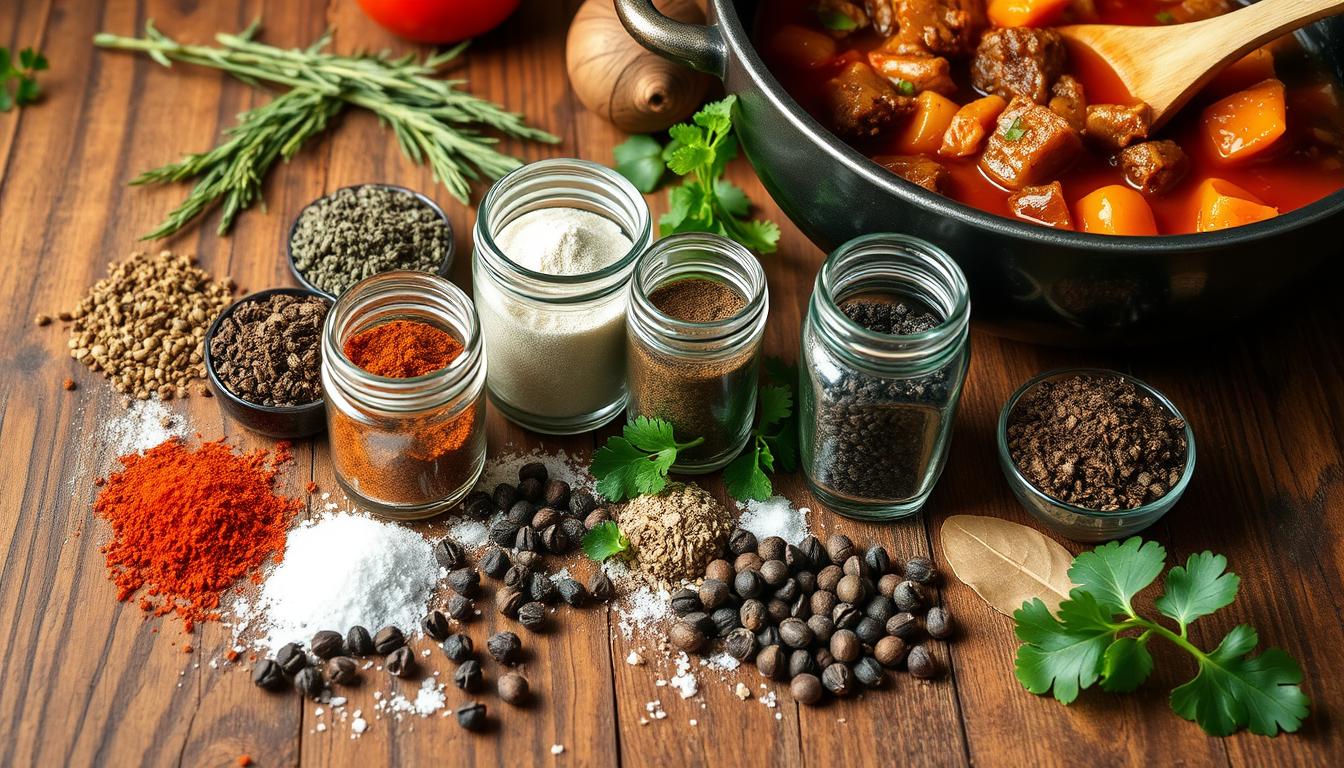
There’s nothing quite like a hearty bowl of beef stew – a timeless comfort food that warms the soul and satisfies the deepest cravings. But what truly transforms a simple mix of meat and vegetables into a culinary masterpiece? It’s all in the seasoning. While convenience packets line supermarket shelves, crafting your own beef stew seasoning at home offers unparalleled control over flavor, health, and a truly personalized touch. Imagine a rich, savory broth, tender beef, and perfectly cooked vegetables, all singing in harmony with a blend of spices that’s just right for your palate, especially if you’re aiming for a low-sodium kick with a spicy edge.
This guide will show you how to create an all-natural, homemade beef stew seasoning mix that’s far superior to anything you’ll buy. We’ll delve into why homemade trumps store-bought, provide a versatile base recipe, and reveal expert tips for customizing it to be delightfully low-sodium and perfectly spicy. Get ready to elevate your stew from good to unforgettable.
Why Homemade Beef Stew Seasoning Reigns Supreme
In a world of quick fixes, the appeal of a pre-mixed seasoning packet is undeniable. However, a closer look reveals why homemade always wins, particularly when it comes to something as fundamental as your beef stew seasoning.
Unmasking Store-Bought Seasonings
Grab a packet of a big-name beef stew seasoning like McCormick or Lawry's, and you might be surprised by what you find. Beyond the expected spices, you'll often see a list of less desirable ingredients: maltodextrin (a highly processed carbohydrate), various anti-caking agents, and, most notably, a substantial amount of sodium. These additives can mask the natural, robust flavors of your quality beef and fresh vegetables. They’re designed for shelf stability and mass appeal, not for nuanced flavor or optimal health.
The Health and Flavor Advantage of an All-Natural Blend
When you take control of your beef stew seasoning, you gain two significant benefits: superior nutrition and unadulterated taste. By selecting individual spices and herbs, you eliminate hidden sugars, excess salt, and artificial fillers. This means your body gets cleaner fuel, and your taste buds get a pure flavor experience where each herb and spice can truly shine.
Beyond taste, many common stew spices offer surprising health perks. Studies indicate that ingredients like paprika, oregano, and rosemary are rich in antioxidants, which can help combat inflammation – a wonderful bonus for a comforting, warming dish. Homemade also means you can easily adapt your blend for specific dietary needs, such as gluten-free or keto lifestyles, by choosing appropriate thickeners or omitting them entirely. For more on the benefits of crafting your own seasoning, check out our article: Homemade Beef Stew Seasoning: Better Flavor, No Additives.
Your All-Natural, Customizable Beef Stew Seasoning Base Recipe
Creating your own foundation beef stew seasoning is incredibly simple and takes mere minutes. This versatile blend will become your secret weapon for consistently delicious stews.
The Essential Ingredients for Your Mix
- Dried Herbs: 2 Tbsp Dried Oregano, 2 Tbsp Dried Basil, 1 Tbsp Dried Rosemary, 1 Tbsp Dried Parsley Flakes (These form the aromatic backbone.)
- Flavor Boosters: 3 Tbsp Paprika (Hungarian or sweet for depth), 1 Tbsp Garlic Powder, 1 Tbsp Onion Powder
- Heat & Thickener: 1 tsp Cayenne Pepper (adjust to taste), 1/4 cup All-Purpose Flour (for thickening, optional)
- Seasoning: 1-2 Tbsp Sea Salt (optional, see low-sodium tips below)
Step-by-Step Preparation for Maximum Flavor
- Toast the Herbs: Gently warm a dry skillet over low heat. Add the oregano, basil, rosemary, and parsley. Toast for about 30-60 seconds, stirring constantly, until they become fragrant. This gentle heat awakens their essential oils, intensifying their aroma and flavor. Be careful not to burn them!
- Combine Ingredients: Transfer the toasted herbs to a large bowl. Add the flour (if using), paprika, cayenne pepper, garlic powder, onion powder, and sea salt (if using).
- Whisk Thoroughly: Whisk everything together until the mixture is completely uniform and free of any clumps. This ensures even distribution of flavor in your stew.
- Store Properly: Spoon the finished beef stew seasoning blend into an airtight glass jar or a heavy-duty ziplock bag. Label it with the date. Stored in a cool, dry pantry, it will remain fresh and potent for up to six months.
Tailoring Your Beef Stew Seasoning: Low-Sodium & Spicy Variations
Here’s where the true magic of homemade seasoning shines – the ability to perfectly match your health needs and flavor preferences. This is crucial for crafting a truly perfect stew.
Mastering Low-Sodium Flavor
For many, reducing sodium intake is a priority without sacrificing flavor. With homemade beef stew seasoning, this is incredibly easy. Simply omit the sea salt from the base recipe entirely. The vibrant medley of herbs and spices – especially the garlic, onion, paprika, and cayenne – provides a wealth of flavor that often makes salt less necessary than you think. If you desire a salt-like taste, you can replace a portion of the omitted sea salt with potassium chloride, often sold as a "salt substitute." Start with half the amount of regular salt you would typically use and adjust to taste.
Pro Tip: Taste your stew throughout the cooking process. Adding a final pinch of salt at the very end, if needed, gives a bigger flavor impact than adding it all at the beginning.
Igniting the Heat: Spicy Twists
Do you crave a stew with a fiery kick? Customizing the spice level is straightforward. The base recipe includes 1 teaspoon of cayenne pepper, which provides a moderate warmth. To ramp up the heat:
- Extra Cayenne: Increase the cayenne pepper to 1.5 or 2 teaspoons, depending on your heat tolerance.
- Smoked Chipotle Powder: For a smoky, lingering heat that’s a bit more complex than pure cayenne, swap out half or all of the cayenne for smoked chipotle powder. This adds an incredible depth of flavor.
- Crushed Red Pepper Flakes: For bursts of heat and visual appeal, consider adding 1/2 to 1 teaspoon of crushed red pepper flakes directly to your stew alongside the seasoning mix.
Beyond Heat: Exploring Other Flavor Profiles
While low-sodium and spicy are popular requests, don't limit your creativity! You can further personalize your beef stew spices and herbs:
- Earthy & Warm: For a milder, more earthy profile, omit the cayenne altogether and add 1/2 teaspoon of ground coriander. This adds a subtle, citrusy warmth.
- Smoky Depth: Use smoked paprika instead of sweet paprika for an instant boost of rich, smoky flavor without adding extra heat.
- Herbaceous Boost: Experiment with adding a bay leaf or two directly to your stew pot. Remember to remove them before serving.
Seamless Integration: Using Your Seasoning in Any Cooking Method
One of the beauties of this homemade all-natural beef stew seasoning is its adaptability across various cooking methods. Whether you're a stovetop simmerer or a slow-cooker enthusiast, your mix is ready.
Stovetop Simmering for Classic Flavor
For a traditional stovetop stew, start by browning your beef. Then, stir in about 2 tablespoons of the seasoning mix per 2 pounds of cut beef. This helps coat the meat and builds a foundational layer of flavor. Add your broth and vegetables, then simmer for 1-2 hours, or until the beef is tender and the flavors have melded beautifully.
Slow Cooker Magic for Effortless Meals
The slow cooker is perfect for developing deep, rich flavors with minimal effort. Add approximately 3 tablespoons of your beef stew seasoning mix along with 1/2 cup of water or broth at the beginning of the cooking cycle. The low, steady heat allows the herbs and spices to infuse the meat and vegetables gradually, resulting in an incredibly tender and flavorful stew. For more methods and tips, read our article: Quick All-Natural Beef Stew Seasoning for Any Cook Method.
The Convenience Packet Shortcut
Planning ahead? Pre-measure 4 tablespoons of your homemade seasoning mix into small ziplock bags. When you're ready to cook, simply dump the bag into your pot – no mess, no guessing, and all the goodness of your custom blend.
Pro Tips for the Ultimate Beef Stew
Beyond the seasoning, a few extra tricks can elevate your stew from great to truly exceptional.
Thickening Alternatives for All Diets
If you're avoiding gluten or prefer a different texture, you don't have to use wheat flour as a thickener in your mix. You can omit it from the dry blend entirely. Instead, consider these alternatives:
- Almond Flour or Coconut Flour: These can be added to the dry mix for gluten-free thickening, though they might impart a slight flavor.
- Cornstarch or Arrowroot Slurry: Mix 1-2 tablespoons of cornstarch or arrowroot powder with an equal amount of cold water to form a slurry. Whisk this into your simmering stew during the last 30 minutes of cooking until it reaches your desired consistency.
- Reduced Liquid: Simply reduce the amount of liquid you add to your stew, allowing it to naturally thicken as it simmers.
Storage for Lasting Freshness
Proper storage is key to maintaining the potency of your homemade beef stew seasoning. Always use airtight glass jars or heavy-duty ziplock bags. Store in a cool, dark, and dry pantry, away from direct sunlight or heat, to prevent degradation of the spices. While it can last up to six months, for optimal flavor, try to use it within three to four months.
Enhancing Depth of Flavor
- Sear Your Beef: Always brown your beef cubes thoroughly before adding liquid. This creates a deeply flavorful crust through the Maillard reaction.
- Deglaze the Pan: After browning the beef, use a splash of broth or even a dry red wine (like Cabernet Sauvignon or Merlot) to scrape up any flavorful browned bits from the bottom of the pot.
- Tomato Paste: A tablespoon of tomato paste, sautéed briefly with the beef and onions, can add a rich umami depth to your stew.
Crafting your own beef stew seasoning is a game-changer for anyone who loves hearty, flavorful meals. Not only does it allow you to control every ingredient, ensuring a low-sodium and healthy option, but it also opens up a world of customization for spicy, earthy, or smoky profiles. With this comprehensive guide, you have all the tools to create a truly personalized, restaurant-quality stew that will be talked about for years to come. So, gather your spices, ignite your culinary spirit, and prepare to delight your family and friends with the ultimate homemade beef stew.
